



Take our Free Toxiflammation™ Assessment today! Get the full assessment details here.

NEW! Fully Virtual Functional Medicine — Serving Patients Worldwide → Learn how our digital care works here!

AppointmentFree Assessment

Services

What is Functional Medicine?

Functional medicine is a patient-focused approach that is commonly mistaken for other medical approaches such as holistic medicine, functional medicine, preventive medicine, lifestyle medicine, and alternative medicine. Each medical segment shares common themes, yet their approach to wellness differs. The following paragraphs compare the approaches below.

Fruits, vegetables, grains and seeds arranged in bowls, several of them heart-shaped
Clinician writing a meal plan at a table set with foods, supplements and a tape measure

Compare the approaches

Conventional Medicine

Conventional Medicine is a common practice in the United States. Medical doctors use the conventional approach to routinely diagnose conditions based on a collection of symptoms and behaviors.

“Fixing” the Problem

Medical professionals use various tests and procedures to diagnose and prescribe medications, procedures, or surgeries to treat problems.

The body is viewed as different organs that work separately, and there are doctors that specialize in each organ. Conventional medicine focuses on treating symptoms rather than identifying the root cause of the disease. Emergency medicine, diagnostic procedures, and surgical interventions are experiencing tremendous growth, but chronic disease management is failing overall. People are living longer, but they have a poor quality of life.

Mortar and pestle, spoons of herbs and capsules, and amber dropper bottles on a white surface

Root cause

Our Approach

Health news and discussion with Dr Fred Harvey, MD.

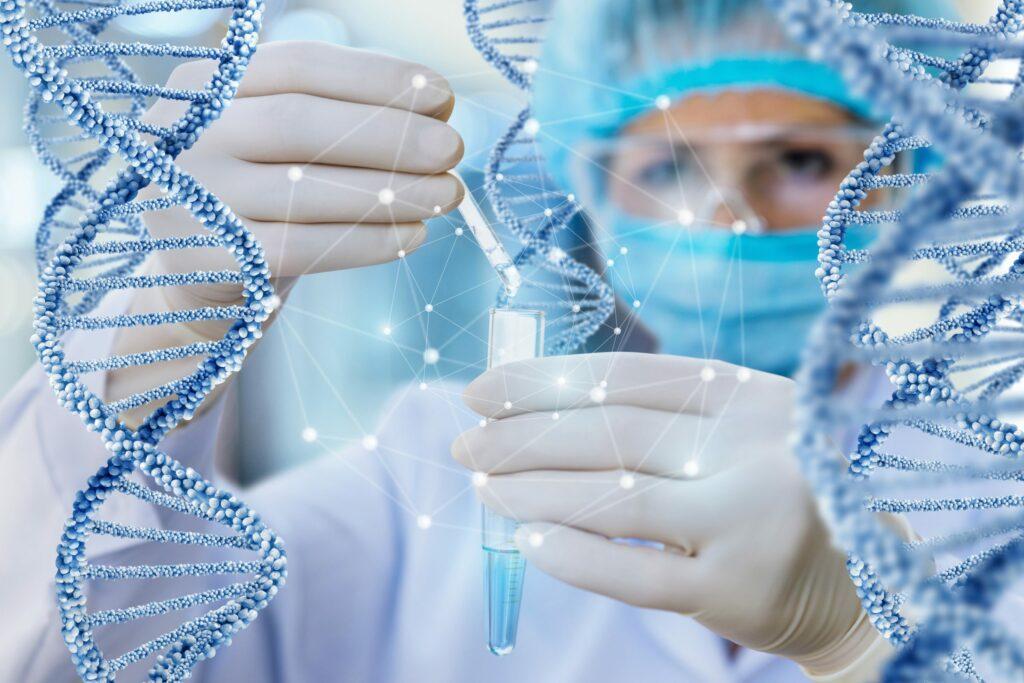
A gloved lab worker holding a pipette over a test tube, with DNA helix graphics

Functional Medicine

Functional medicine focuses on identifying the root cause of illness. Its main goal is to ultimately restore the human body to optimum functioning.

Functional Medicine practitioners perform different laboratory tests and diagnostics to uncover the root cause of symptoms to treat the whole person and not just the disease. Practitioners encourage and empower patients to be conscious of their food choices, environmental toxins, and overall well-being.

Understanding Genetic, Lifestyle, And Biochemical Makeup

It starts with a detailed understanding of a person’s genetic, lifestyle, and biochemical makeup through in-depth history taking and questionnaires. Visits are usually longer due to the fact that practitioners have to dig deep into the past as to why, when, or how the symptoms have come about. Functional Medicine practitioners tend to do a lot of different types of functional laboratory tests and diagnostics to find the root cause of symptoms and treat the whole person and not just the disease. For example, comprehensive stool analysis, organic acid testing, nutritional evaluation, genetic SNP testing, heavy metal testing and different types of specialized testing may be used to find the true sickness, and treatments are personalized and individualized based on the patient’s background, lifestyle, and genetic factors. Practitioners empower patients to work on their diet, environmental toxins and uses labs as a motivator and diagnostic as it tries to get patients to optimal range and not just the “normal” lab range.

Acupuncture needles, an amber bottle of white pellets, tablets and softgel capsules on a wooden table

Natural Medicine

Natural Medicine doesn’t use the traditional or conventional approach. It focuses on the premise that the mind, body, and spirit are one and should be taken into consideration when treating conditions. It embraces eastern medicine practices like acupuncture, traditional Chinese medicine, and Ayurvedic medicine. It also focuses on the healing of the mind, body, and spirit, including energy medicine and the use of herbs and supplements.

Fruits, vegetables, grains and seeds arranged in bowls, several of them heart-shaped

Preventive Medicine

Preventive medicine is an approach that works to protect, promote, maintain health and well-being, and prevent disease, disability, and premature death. For example, screening for hypertension and treating it before it causes disease is good preventive medicine. Preventive medicine takes a proactive approach to patient care.

In clinical settings, practitioners help people make changes in their lifestyle which may help them avoid illness. They also perform preventive health screenings to catch the disease before it gets worse. In non-clinical settings, these practitioners focus on healthcare legislation, health policy, and social and behavioral factors that influence a person’s health.

A salad bowl, dumbbell, tape measure, jump rope and apples on a wooden surface

Lifestyle Medicine

This approach to medicine seeks to use lifestyle changes as the first option in dealing with and preventing chronic illness conditions. It stresses a whole food, mostly plant-based diet, along with regular exercise, good sleep, management of stress, and avoidance of substances that increase the risk of illness along with good social interaction as its primary approach to dealing with chronic illness conditions. It looks for underlying causes of illness rather than continuing to push medications and medical procedures, much the same as functional medicine. It is also a great way to lose weight.

Testimonials

What People Say

Results are individual and not guaranteed. Ask Dr. Harvey whether this approach is right for you.

Your healing begins with a phone call

Schedule Your Appointment

Take control of your health journey today by scheduling a consultation with our team.

What we do

Services we offer

Functional Medicine

We focus on finding and dealing with the root cause of illness.

Preventative Diagnostics

Diagnostic testing and evaluation is an important component to understand how your body's processes are functioning.

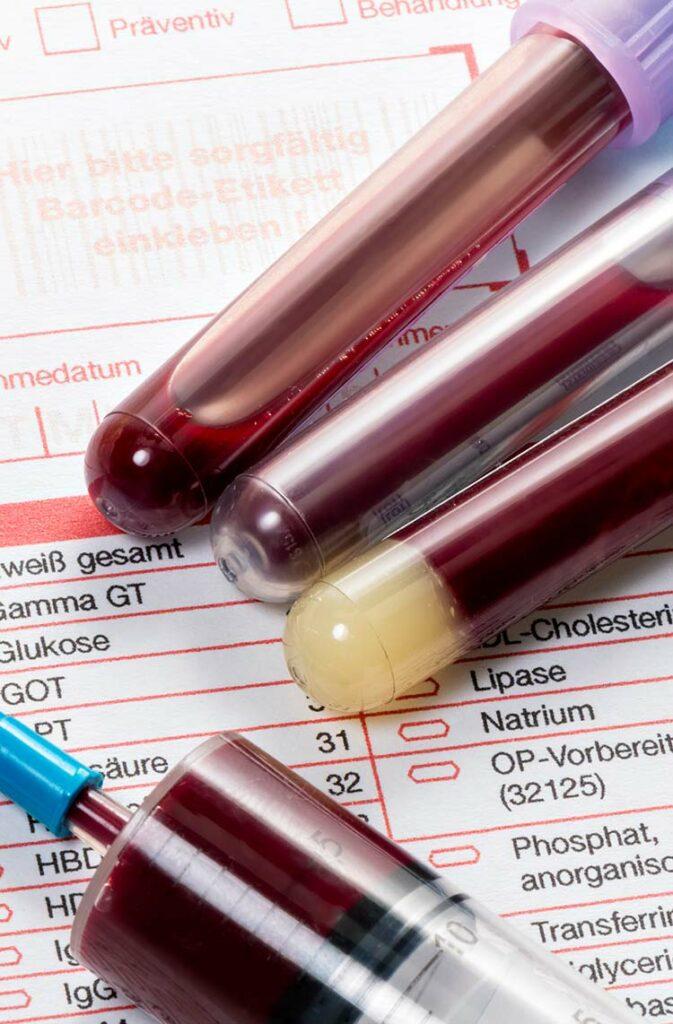
Blood collection tubes and a syringe lying on a laboratory requisition form

Functional Lab Testing

Functional laboratory evaluation is an important component to understanding how your body's processes are functioning.

Brain Health

This form of medicine focuses on detecting, dealing with, and preventing conditions that come with aging.

Nutritional Counseling

Personalized education including the evaluation of your current dietary intake and how that impacts your current health conditions.

Toxicity Reduction

Toxicity is the byproduct of industrial society — we're subjected to exposures of many toxic substances daily, if not minute by minute.

Clinician writing a meal plan at a table set with foods, supplements and a tape measure

Gut Health Support

We address GI complaints first, as they often indicate the point of weakness and breakdown in the integrity of this most important system — the platform for vibrant health.

Health Coaching

Personalized counseling to understand your needs and the tools required to change behavior in specific areas of lifestyle in order to shift function and achieve vital wellness.