There's a lot of talk these days about new drugs and new interventions. But I think there are simple solutions for many of our medical issues, and they start with getting back to basics: real food, real activity and respect for our bodies. That's where we went on this week's Healthy Steps Show on WMNF 88.5 FM.
Low-carb or low-fat? Quality decides
A study in the Journal of the American College of Cardiology (JACC) followed nearly 200,000 U.S. adults for more than 30 years and split low-carb and low-fat eating into healthy and unhealthy versions. Many people go low-carb with saturated fats and processed products. Here's what the researchers saw for coronary heart disease:
- Unhealthy low-carb: about 14% higher risk.
- Healthy low-carb, built on a rainbow of vegetables with fewer ultra-processed foods and saturated fats: about 15% lower risk.
- Unhealthy low-fat: about 12% higher risk.
- Healthy low-fat: about 13% lower risk.
- In both diets, plant-based versions did better than animal-based ones.
It's an observational study, so it shows an association rather than proof. But as I said on air, "what we're seeing here is that quality of food is really important." You can follow a diet label perfectly and still eat poorly.
My cholesterol-friendly breakfast
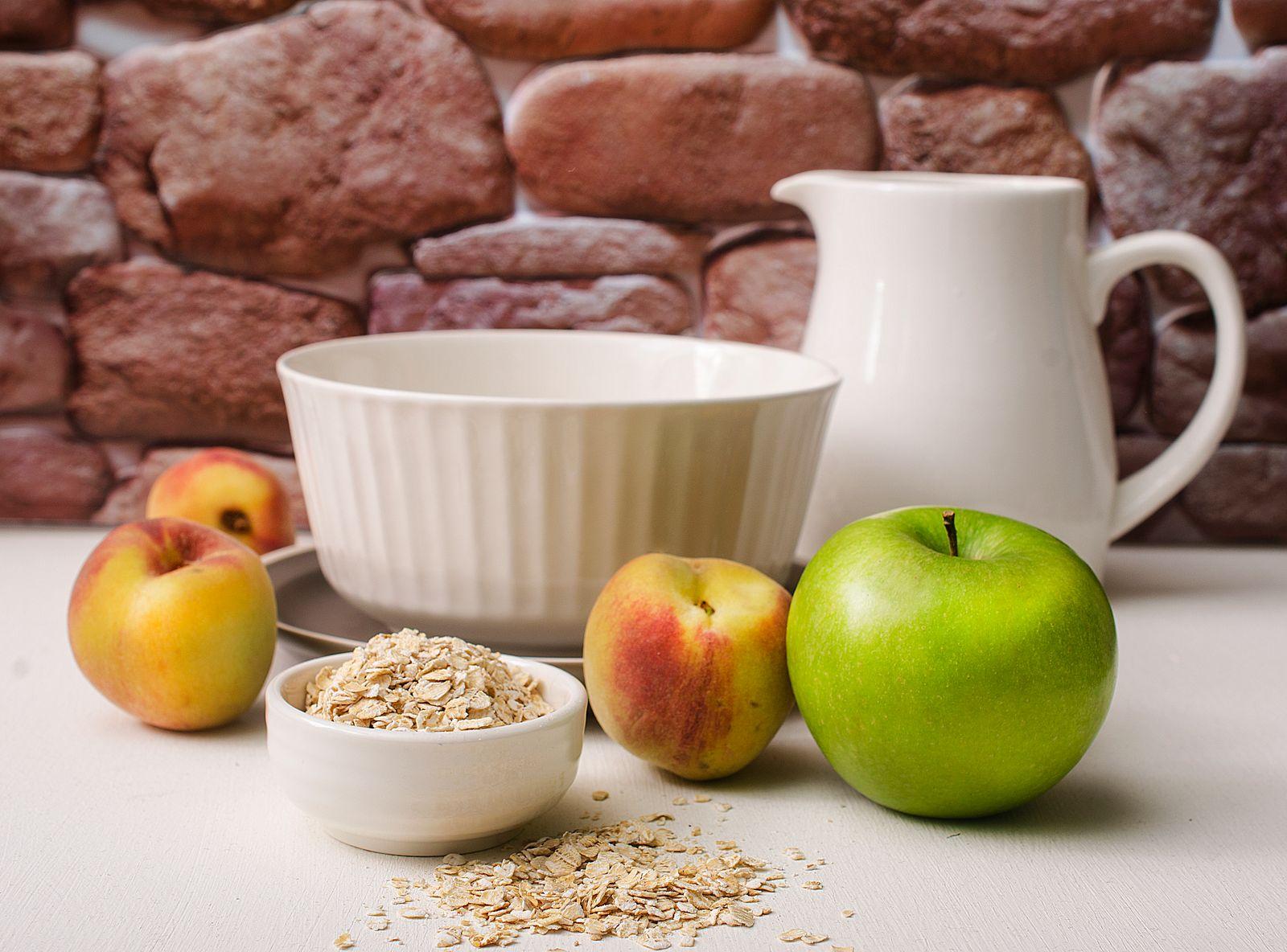
My breakfast that morning was oatmeal with grated apple. I cook the grated apple with a little organic butter, cinnamon and a touch of salt until it's fragrant, then add water, bring it to a boil, stir in the oats and add a teaspoon of maple syrup. Not a lot of sweet.
Oats are proven to lower LDL cholesterol. My Cortland apple had a very dark red skin, rich in quercetin, which supports vascular health and detoxification.
Heart-healthy foods worth adding
I shared foods from a Women's Health article, "40 Heart-Healthy Foods Proven to Lower Cholesterol, According to Nutrition Experts":
- Berries. Strawberries, raspberries and blueberries bring fiber and antioxidants.
- Pumpkin, sweet potatoes and butternut squash. Beta-carotene, fiber and potassium.
- Okra. That clear goo inside is a soluble fiber that feeds a healthier gut microbiome and calms inflammation.
- Tomatoes. Lycopene helps protect artery walls.
- Apples. In one trial, two apples a day lowered LDL cholesterol.
- Beans, lentils, quinoa, nuts and seeds. Flax and chia carry omega-3 fats.
- Dark chocolate over 75% cocoa, for its flavonoids. More on that below.
A listener asked how to keep the heart and blood vessels from stiffening with age. Try foods from this list, walk outside for 20 minutes every morning, and open your heart: relationships, and gratitude for them, keep it flexible too.
When healthy foods carry toxins
Listeners pointed out that some of these foods can carry contaminants. They're right. Everything we eat has some, so the goal is choosing and preparing food well.
Glyphosate in oats and grains. Glyphosate is the weed killer in Roundup, and some growers spray it on oats before harvest to dry the crop out. I assume any grain product may carry some. I use an oat brand that has worked with its growers to stop that pre-harvest spraying, and I'd encourage you to look into your own brand.
Lead and cadmium in dark chocolate. Consumer Reports found both metals in every dark chocolate bar it tested, organic included. These are trace amounts, and I still eat dark chocolate. But avoid the brands with the highest levels, which tend to be lower-quality chocolate anyway, and use the testing to pick a cleaner one.
Mercury in tuna. The Women's Health list suggests tuna twice a week for omega-3s. I think there are better fish for that. If you eat tuna, choose smaller species like skipjack or tongol. Big albacore (white) tuna is the kind associated with high mercury, so don't eat much of it.
Arsenic in rice. Rice is very good at pulling arsenic out of the soil. Look into which brands test lowest, then cook some of it out:
- Soak your rice for 30 minutes, discard the water, then cook it in fresh water.
- Or parboil it for a few minutes, drain, and start again with fresh water.
"There's a bunch of ways we can do detoxification before we even eat the food."
Pesticides in strawberries. Sprayed strawberries can carry residue in the flesh, where washing won't reach it. The Environmental Working Group's Dirty Dozen and Clean Fifteen show where organic matters most.
As I told one caller, "that's why it's really smart to go local, go seasonal, and go whole food." Around Tampa Bay there are good organic farms, and no-spray farms that aren't certified but take good care of their crops.
Measure your own exposure
The real question is whether you are carrying a burden. That's why I run a toxic metal analysis on new patients. Mercury, for example, shows up in people who eat a lot of seafood. Small exposures add up over years in a body that may already be inflamed. That cycle of toxicity and inflammation is what I call Toxiflammation™. The free Toxiflammation Assessment scores seven domains to show where your burden sits. When metals are a concern, heavy metal testing shows what's actually there, and our toxicity reduction work helps you find and remove the sources.
Kidney stones: water first
A listener with calcium oxalate stones asked whether she has to give up blueberries and chia seeds. Stones form when urine chemistry gets out of balance: its pH, calcium, oxalate and uric acid. The simplest fix is more water. The more dilute your urine, the less likely stones are to form.
You don't have to eliminate high-oxalate foods like okra, beets, blueberries and chia seeds. A side dish is probably fine if you drink enough water. A pound of okra isn't. Beyond that:
- Avoid fructose, which pushes up uric acid.
- Cut back on high-purine foods like red meat and shellfish.
- Eat citrus. Its citric acid helps shift urine pH.
- Add more vegetables and fruits that are low in oxalate.
Blood pressure creeping up in your sixties
A caller in his late sixties, active and at a healthy weight, saw his readings climbing. Many people are low in magnesium, which helps stabilize blood pressure; many tolerate 200 to 400 milligrams of magnesium glycinate a day. Keep exercising, and add meditation and breathwork, which can lower it a few points.
If you're already doing all that, look deeper with a nutritional workup. The diagnostic codes call it "essential" hypertension because no one has figured out why you have it. I don't consider it essential. One test worth asking your doctor about is the Cleveland HeartLab panel through Quest. It includes ADMA, a marker of how flexible your blood vessels are. If yours is high, there are things you can do about it.
Listen and learn more
Listen to the full Oct. 19 episode on WMNF.
The Healthy Steps Show airs weekly on WMNF 88.5 FM in Tampa and streams everywhere at wmnf.org. Send your health questions in and join the conversation.
Curious where your own burden sits? Take the Toxiflammation Assessment or book an appointment. We see patients across Florida, virtually and in person by appointment.
Sources
- Healthy versions of low-carb and low-fat diets linked to better cardiovascular and metabolic health, American College of Cardiology, on Wu et al., JACC, 2026
- Quality of low-carb, low-fat diet determines effect on coronary heart disease, HealthDay
- "40 Heart-Healthy Foods Proven to Lower Cholesterol, According to Nutrition Experts," Women's Health
- Cholesterol-lowering effects of oat β-glucan, Nutrition Reviews, 2011
- Two apples a day lower serum cholesterol, American Journal of Clinical Nutrition, 2020
- Glyphosate in oat products, Environmental Working Group testing, 2018
- Lead and cadmium in dark chocolate, Consumer Reports
- Advice about eating fish, FDA and EPA
- New way of cooking rice removes arsenic and retains mineral nutrients, University of Sheffield, 2020
- Arsenic in food, FDA
- Shopper's Guide to Pesticides in Produce, Environmental Working Group
- Kidney stones diet and prevention, National Kidney Foundation
- Asymmetric dimethylarginine and endothelial dysfunction, review
This post is for education only and is not medical advice. Talk with your own clinician before changing your diet, starting a supplement or stopping a medication.